Discover Native American History at Paramus Historical Museum

Exploring the rich tapestry of Native American history is essential for understanding the cultural heritage of the United States. The Paramus Historical Museum offers a unique opportunity to delve into this history, showcasing artifacts, stories, and experiences that highlight the lives and contributions of Native American tribes. Whether you are a history enthusiast, a student, or simply curious about the past, this museum provides a comprehensive look at the indigenous peoples who shaped the land we now call home.
The Importance of Native American History
Native American history is not just a chapter in the broader narrative of American history; it is a foundational element that informs our understanding of the nation's development. The stories of resilience, adaptation, and cultural richness among Native American tribes are crucial for appreciating the diverse fabric of American society.
Understanding the Impact of Colonization
The arrival of European settlers marked a significant turning point for Native American communities. Colonization brought about dramatic changes, including:
Displacement: Many tribes were forcibly removed from their ancestral lands.
Cultural Erasure: Colonization often led to the suppression of indigenous languages, traditions, and practices.
Conflict: Tensions between settlers and Native Americans frequently resulted in violence and warfare.
The Paramus Historical Museum addresses these themes, providing context and insight into how colonization affected various tribes in the region.
Exhibits at the Paramus Historical Museum
The museum features a variety of exhibits that highlight different aspects of Native American life. Each exhibit is carefully curated to provide visitors with a deeper understanding of the cultures represented.
Artifacts and Their Stories
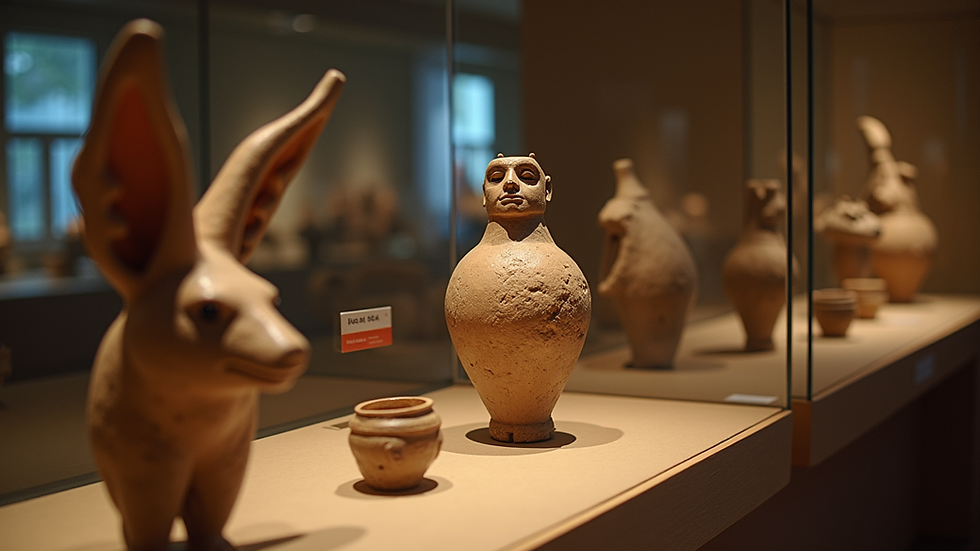
One of the most compelling aspects of the museum is its collection of artifacts. These items tell stories of daily life, spirituality, and survival. Some notable artifacts include:
Traditional Clothing: Garments made from natural materials that reflect the artistry and resourcefulness of Native American peoples.
Tools and Weapons: Items used for hunting and gathering, showcasing the skills and ingenuity of indigenous communities.
Ceremonial Objects: Artifacts that hold spiritual significance, illustrating the deep connection between Native Americans and their beliefs.
Each artifact is accompanied by detailed descriptions that explain its significance and the context in which it was used.
Interactive Learning Experiences
The Paramus Historical Museum also emphasizes interactive learning. Visitors can engage with exhibits through:
Guided Tours: Knowledgeable guides share stories and insights, enhancing the visitor experience.
Workshops: Hands-on activities allow participants to learn traditional crafts, such as beadwork or pottery.
Cultural Events: The museum hosts events that celebrate Native American culture, including storytelling sessions and dance performances.
These experiences foster a deeper appreciation for the richness of Native American heritage.
Educational Programs for All Ages
The museum is committed to education, offering programs tailored to various age groups. These programs aim to promote understanding and respect for Native American cultures.
Programs for Students
School groups are encouraged to visit the museum for field trips that align with educational standards. Programs include:
History Lessons: Interactive sessions that cover key historical events and figures in Native American history.
Cultural Workshops: Activities that allow students to create traditional crafts while learning about their significance.
Community Engagement
The museum also focuses on community outreach, providing resources and programs for local residents. This includes:
Lectures and Seminars: Experts in Native American history share their knowledge with the community.
Family Days: Events designed for families to explore Native American culture together through fun and educational activities.
These initiatives help to build a bridge between the museum and the community, fostering a greater understanding of Native American history.
Visiting the Paramus Historical Museum
If you're planning a visit to the Paramus Historical Museum, here are some practical tips to enhance your experience:
Location and Hours
The museum is conveniently located in Paramus, New Jersey. It is open to the public on:
Monday to Friday: 10 AM - 5 PM
Saturday and Sunday: 12 PM - 4 PM
Admission Fees
Admission fees are reasonable, with discounts available for students and seniors. Check the museum's website for current pricing and any special events that may offer free admission.
Accessibility
The museum is committed to making its exhibits accessible to all visitors. Wheelchair access is available, and staff members are on hand to assist with any specific needs.
Conclusion
The Paramus Historical Museum serves as a vital resource for anyone interested in Native American history. Through its diverse exhibits, educational programs, and community engagement, the museum fosters a deeper understanding of the rich cultural heritage of Native American tribes. By visiting, you not only gain knowledge but also contribute to the preservation of these important stories.
Whether you are a local resident or a visitor, make it a point to explore the museum and discover the profound impact of Native American history on our society. Your journey into the past awaits!


Comments